
Tấm nhôm 5052 O là gì

Nov 17, 2025

Để lại lời nhắn


Tấm nhôm 5052 và 6061 đều được sử dụng trong đóng tàu. Sự khác biệt là gì? Sự khác biệt của chúng rất đáng kể, chủ yếu là do sự khác biệt về thành phần hóa học và kỹ thuật đúc.

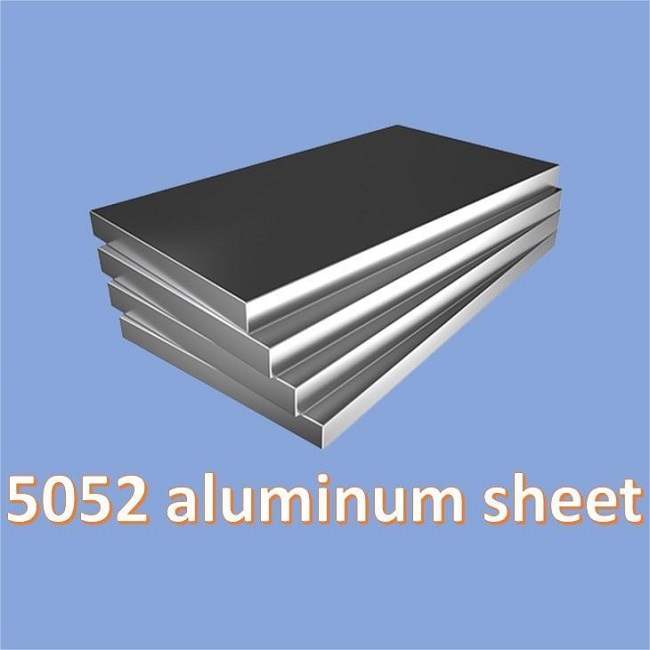
Tấm nhôm 5052 O là tấm nhôm hợp kim Al{1}}Mg. Magiê là nguyên tố hợp kim chính. Nó có độ bền tuyệt vời, đặc biệt là độ bền chống mỏi, độ dẻo và khả năng chống ăn mòn. Nó có độ dẻo cao khi cứng lại ở trạng thái bán lạnh và độ dẻo thấp khi cứng lại ở trạng thái lạnh. Ngoài ra, nó có tác dụng anodizing tốt.


Đóng tàu sử dụng cả tấm nhôm 5052 và 6061. Sự khác biệt là gì? Các biến thể của chúng rất đa dạng, chủ yếu là do sự khác biệt về thành phần hóa học và quá trình đúc.

Tấm nhôm 5052 O được làm bằng hợp kim nhôm và magiê. Magiê là nguyên tố hợp kim chính. Nó có độ bền cao, đặc biệt là độ bền chống mỏi, độ dẻo và khả năng chống ăn mòn. Nó có độ dẻo cao khi cứng lại ở trạng thái bán lạnh và độ dẻo thấp khi cứng lại trong môi trường lạnh. Nó cũng hoạt động tốt như một chất anodizer.


Tấm nhôm 5052 là thương hiệu phổ biến cho hợp kim nhôm magie 5{12}}dòng, được phân loại thành trạng thái o và H. 5052. Tấm nhôm được sử dụng rộng rãi ở trạng thái o, H12, H18, H24, H32, H34 và các trạng thái khác. Thuật ngữ "tấm nhôm 5052-o" dùng để chỉ sản phẩm sau khi ủ. So với các trạng thái khác, loại tấm nhôm này có độ cứng mềm, dễ bị oxy hóa khi kéo, độ dẻo cao và khả năng chống ăn mòn và không thể tăng cường thông qua xử lý nhiệt. Nó có tính linh hoạt cao trong quá trình làm cứng bán lạnh, độ dẻo thấp trong quá trình làm cứng nguội và khả năng hàn tuyệt vời.


Các ứng dụng của tấm nhôm 5052-o là gì?
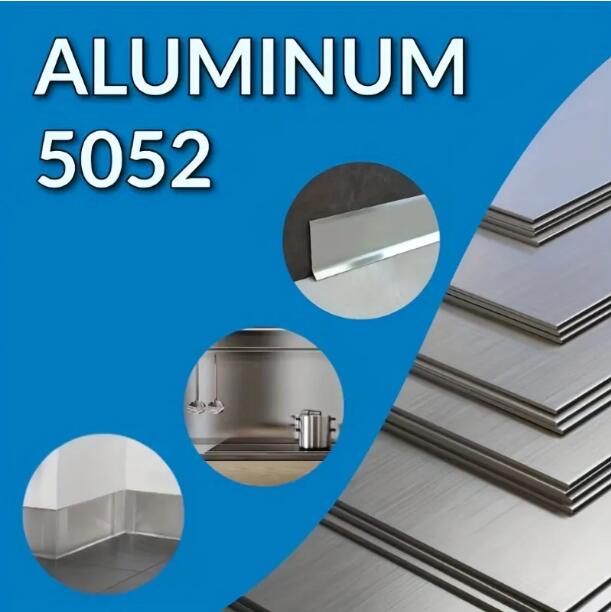
Tấm nhôm 5052-o thường được sử dụng trong phương tiện giao thông, bộ phận dập cơ khí, mẫu ô tô, phụ kiện ô tô và các ứng dụng khác. Nó cung cấp khả năng chống ăn mòn, xử lý và hàn tốt.
Processing Performance of 5052-O Aluminum Sheet  As a typical aluminum-magnesium alloy, 5052 aluminum sheet is widely used in shipbuilding, machinery, electronics, chemical industries, construction materials, and decorative applications due to its excellent mechanical properties and processing versatility.  Effect of Annealing on 5052 Aluminum Sheet  Annealing is a common heat treatment method in metal processing. Its main purpose is to adjust the internal structure and properties of the material through controlled heating and cooling, thereby meeting specific processing requirements. For 5052 aluminum sheet, annealing can significantly reduce hardness, improve plasticity and toughness, and enhance overall processing performance.  In the annealed state, the hardness of 5052 aluminum sheet is markedly reduced, making it easier to deform and less prone to cracking or breaking during cold stamping, bending, or other forming processes. Additionally, annealing relieves internal residual stresses, improving dimensional stability and processing accuracy.  Processing Performance of 5052 Aluminum Sheet in the Annealed State  1. Stamping Performance The annealed 5052 aluminum sheet demonstrates excellent stamping capabilities. Reduced hardness allows the material to undergo plastic deformation more easily, enabling the production of complex, high-precision parts. Annealing also enhances wrinkle resistance and springback resistance, ensuring the quality of stamped components is stable and reliable.  2. Bending Performance In the annealed state, 5052 aluminum sheet exhibits superior bending performance. Its lower hardness and improved plasticity reduce the risk of cracking during bending, while maintaining accurate bends and stable shapes. This makes it a preferred material for manufacturing intricate bent components.  3. Welding Performance The annealed 5052 aluminum sheet also performs well in welding. Its good weldability allows connection using various welding methods, producing joints with high strength and retained plasticity.  While annealed 5052 aluminum sheet offers excellent processing performance-including stamping, bending, and welding-it has relatively limited cutting performance. Appropriate measures should be taken during processing to ensure quality and efficiency. Moreover, although annealing improves workability, it can affect mechanical properties and corrosion resistance. Therefore, in practical applications, it is important to consider these factors comprehensively and select the material according to specific project requirements.  As a reliable Chinese supplier, GNEE provides high-quality 5052-O aluminum sheets with excellent processing performance, ensuring consistent results across industrial and decorative applications.

Hiệu suất xử lý của tấm nhôm 5052-O

Là một hợp kim nhôm{0}}magiê điển hình,tấm nhôm 5052được sử dụng rộng rãi trong đóng tàu, máy móc, điện tử, công nghiệp hóa chất, vật liệu xây dựng và các ứng dụng trang trí do tính chất cơ học tuyệt vời và tính linh hoạt trong xử lý.


Tác dụng của quá trình ủ trên tấm nhôm 5052

Ủ là một phương pháp xử lý nhiệt phổ biến trong gia công kim loại. Mục đích chính của nó là điều chỉnh cấu trúc bên trong và tính chất của vật liệu thông qua quá trình gia nhiệt và làm mát có kiểm soát, từ đó đáp ứng các yêu cầu xử lý cụ thể. Đối với tấm nhôm 5052, quá trình ủ có thể làm giảm đáng kể độ cứng, cải thiện độ dẻo và độ bền, đồng thời nâng cao hiệu suất xử lý tổng thể.

Ở trạng thái ủ, độ cứng của tấm nhôm 5052 giảm đi rõ rệt, dễ biến dạng và ít bị nứt, gãy trong quá trình dập nguội, uốn hoặc các quá trình tạo hình khác. Ngoài ra, ủ làm giảm ứng suất dư bên trong, cải thiện độ ổn định kích thước và độ chính xác xử lý.


Hiệu suất xử lý của tấm nhôm 5052 ở trạng thái ủ

1. Hiệu suất dập


Tấm nhôm 5052 được ủ thể hiện khả năng dập tuyệt vời. Độ cứng giảm cho phép vật liệu biến dạng dẻo dễ dàng hơn, cho phép sản xuất các bộ phận phức tạp,{2}}có độ chính xác cao. Ủ còn tăng cường khả năng chống nhăn và chống đàn hồi, đảm bảo chất lượng của các bộ phận được dập ổn định và đáng tin cậy.


2. Hiệu suất uốn
Ở trạng thái ủ, tấm nhôm 5052 thể hiện hiệu suất uốn vượt trội. Độ cứng thấp hơn và độ dẻo được cải thiện giúp giảm nguy cơ nứt trong quá trình uốn, đồng thời duy trì các đường cong chính xác và hình dạng ổn định. Điều này làm cho nó trở thành vật liệu được ưa chuộng để sản xuất các bộ phận uốn cong phức tạp.


3. Hiệu suất hàn
Tấm nhôm 5052 được ủ cũng hoạt động tốt trong hàn. Khả năng hàn tốt của nó cho phép kết nối bằng nhiều phương pháp hàn khác nhau, tạo ra các mối nối có độ bền cao và độ dẻo được giữ lại.

Mặc dù tấm nhôm 5052 được ủ mang lại hiệu suất xử lý tuyệt vời-bao gồm dập, uốn và hàn-nhưng nó có hiệu suất cắt tương đối hạn chế. Cần thực hiện các biện pháp thích hợp trong quá trình chế biến để đảm bảo chất lượng và hiệu quả. Hơn nữa, mặc dù ủ cải thiện khả năng làm việc nhưng nó có thể ảnh hưởng đến tính chất cơ học và khả năng chống ăn mòn. Do đó, trong các ứng dụng thực tế, điều quan trọng là phải xem xét các yếu tố này một cách toàn diện và lựa chọn vật liệu theo yêu cầu cụ thể của dự án.
5052-O Aluminum Sheet  As a typical aluminum-magnesium alloy, 5052 aluminum sheet is widely used in shipbuilding, machinery, electronics, chemical industries, construction materials, and decorative applications due to its excellent mechanical properties and processing versatility.  Effect of Annealing on 5052 Aluminum Sheet  Annealing is a common heat treatment method in metal processing. Its main purpose is to adjust the internal structure and properties of the material through controlled heating and cooling, thereby meeting specific processing requirements. For 5052 aluminum sheet, annealing can significantly reduce hardness, improve plasticity and toughness, and enhance overall processing performance.  In the annealed state, the hardness of 5052 aluminum sheet is markedly reduced, making it easier to deform and less prone to cracking or breaking during cold stamping, bending, or other forming processes. Additionally, annealing relieves internal residual stresses, improving dimensional stability and processing accuracy.  Processing Performance of 5052 Aluminum Sheet in the Annealed State  1. Stamping Performance The annealed 5052 aluminum sheet demonstrates excellent stamping capabilities. Reduced hardness allows the material to undergo plastic deformation more easily, enabling the production of complex, high-precision parts. Annealing also enhances wrinkle resistance and springback resistance, ensuring the quality of stamped components is stable and reliable.  2. Bending Performance In the annealed state, 5052 aluminum sheet exhibits superior bending performance. Its lower hardness and improved plasticity reduce the risk of cracking during bending, while maintaining accurate bends and stable shapes. This makes it a preferred material for manufacturing intricate bent components.  3. Welding Performance The annealed 5052 aluminum sheet also performs well in welding. Its good weldability allows connection using various welding methods, producing joints with high strength and retained plasticity.  While annealed 5052 aluminum sheet offers excellent processing performance-including stamping, bending, and welding-it has relatively limited cutting performance. Appropriate measures should be taken during processing to ensure quality and efficiency. Moreover, although annealing improves workability, it can affect mechanical properties and corrosion resistance. Therefore, in practical applications, it is important to consider these factors comprehensively and select the material according to specific project requirements.  As a reliable Chinese supplier, GNEE provides high-quality 5052-O aluminum sheets with excellent processing performance, ensuring consistent results across industrial and decorative applications.

Là nhà cung cấp Trung Quốc đáng tin cậy,GNEEcung cấp các tấm nhôm 5052-O chất lượng cao với hiệu suất xử lý tuyệt vời, đảm bảo kết quả nhất quán trên các ứng dụng công nghiệp và trang trí.